
Uncategorized
Cutting Cycles: Maximizing Fat Loss While Preserving Muscle
Sep
Feel the burn, hear your heartbeat racing, and witness the beads of sweat cascading as you push through another intense workout. Each grunt is a testament to your commitment to sculpting your body into exemplary finesse,but something remains a constant challenge - aesthetics. Let’s discuss how fat gives you volume, but muscle chisels definition. It’s an eternal tug of war that many fitness enthusiasts face - striving for maximum fat loss while preserving that hard-earned muscle. Welcome to the dynamic world of cutting cycles, a ticket to lean physique mastery. In this illuminating tour, we’re going to plunge into a process that promises to help you shave off those last stubborn layers of fat, keeping your muscles in bold relief, paving the way for a physique that truly embodies power, strength, and dedication.
Understanding the Concept of Cutting Cycles in Bodybuilding
For those passionate about bodybuilding or simply looking to maintain a defined physique, incorporating cutting cycles into your routine can be a game changer. In essence,the cutting cycle is a period where you aim to shred body fat while trying to maintain,or even increase,your muscle mass.The cutting phase is typically contrasted with the bulking phase, where you eat in a caloric surplus to gain muscle, often along with some fat. But how does managing these cycles optimally work? Let’s dissect.
A cutting cycle can last anywhere from 4 to 12 weeks, depending on the individual’s goals and experience. During a cutting cycle,three factors are crucial – Diet,Exercise,and Supplements.
- Diet: A calorie deficit is essential. That means consuming fewer calories than you burn. Protein intake needs to be high to help protect your muscle mass, carbs should be moderate to low, and fat intake should be carefully managed.
- Exercise: Try to incorporate both weightlifting (to build muscle) and cardio (to burn fat). The aim is to maintain intensity but not necessarily the same volume you would handle in a bulking phase.
- Supplements: While not necessary, certain supplements such as whey protein, Branch Chain Amino Acids (BCAA), and fat burners can effectively support your cutting phase.
In an ideal cutting cycle, the ratio of fat loss to muscle gain is skewed heavily towards the former, helping you achieve that chiseled look.
The Strategic Approach to Maximizing Fat Loss in Cutting Cycles
Cutting cycles can be tough. The goal is to shed unwanted body fat while preserving the hard-earned muscle. To achieve this, it requires more than just lowering your caloric intake; it necessitates a complete, detail-oriented plan that targets specific elements of nutrition and training. This strategic approach helps maximize fat loss while preserving muscle mass.
Initially,proper nutrition plays a critical role. Dropping your calories too low too fast can lead to muscle loss. It’s paramount to strike a healthy balance, ensuring your body is supplied with enough nutrients to fuel workouts and recover afterwards. Effective strategies include maintaining a high protein intake, timing carbohydrate consumption around workouts, and strictly monitoring fat intake.
- Nutrient Timing: Consuming carbs before and after workouts can spur muscle growth and aid in recovery while reducing fat storage. This targets fat loss during the course of the day but ensures muscles are fed during critical periods.
- High Protein Intake: Maintaining a high protein diet supports muscle growth and repair. it also promotes satiety,which helps control hunger and overall calorie intake.
- Regulated Fat Intake: While fats are necessary for hormonal balance and overall health, too much fat, especially at the wrong times, can lead to unwanted fat storage. Sticking to healthy fats, and tracking intake can help strike the right balance.
Additionally, adopting a structured workout regimen is equally critically important. The goal is to maintain strength and muscle mass, even in a caloric deficit. This involves lifting heavy weights at a lower volume, and incorporating cardiovascular exercises to increase fat loss.
| WORKOUT | DESCRIPTION |
|---|---|
| Strength Training | Focuses on lifting heavy weights with good form to maintain muscle mass and increase metabolic rate. |
| Cardiovascular Exercise | Includes steady-state or high intensity interval training (HIIT) to boost calorie burn and enhance fat loss. |
Prosperous cutting cycles require a thoughtful approach regarding both nutrition and workout routines. Implementing a strategic approach ensures that you maximize fat loss while effectively preserving your muscle mass.
How to Maintain Muscle Mass During a Cutting Cycle
If your objective is a lean, muscular physique, it’s essential to ensure that you’re not just losing weight, but specifically shedding fat while preserving your valuable muscle mass. It can be a delicate tightrope walk, but the key is in the balance of your approach. You have the potential to accomplish this through a meticulous diet, targeted exercise routine, and strategic supplement use.
First off, the role that eating habits play in this process can’t be overstated. You need to ensure you’re consuming an adequate volume of protein to support muscle preservation. This calls for approximately 1 to 1.5 grams of protein per pound of body weight each day. A mix of lean meats, plant-based proteins, and dairy products can provide this. Also,consider incorporating complex carbohydrates,as they prevent your body from using muscle mass as fuel. examples include whole grain bread, brown rice, and oats. Reduce intake of saturated fats and embrace healthier options, like unsaturated fats found in avocados, nuts, and olive oil.
| Diet Factor | Importance |
|---|---|
| Protein Intake | Nourishes muscle, prevents muscle loss |
| Complex Carbohydrates | Provides energy, protects muscle mass |
| Healthy Fats | Supports overall health, aids in absorption of vitamins |
A workout program geared towards the preservation of muscle mass is another pivotal part of a successful cutting cycle. Incorporating a mix of weightlifting and cardio can be ideal. A high-intensity interval training (HIIT) approach can be particularly beneficial as it aims at burning fat whilst preserving muscle. Additionally, consistent weight lifting is vital to signal your body to maintain muscle despite a caloric deficit.
Supplementing your diet and exercise regimen with the proper products can also aid in muscle conservation. Branched-Chain Amino Acids (BCAAs), for instance, can help reduce muscle breakdown during exercise. Creatine, conversely, can enhance strength and lean muscle mass. Though, it’s crucial to remember that supplements should never replace a healthy diet or consistent exercise but should work alongside them.
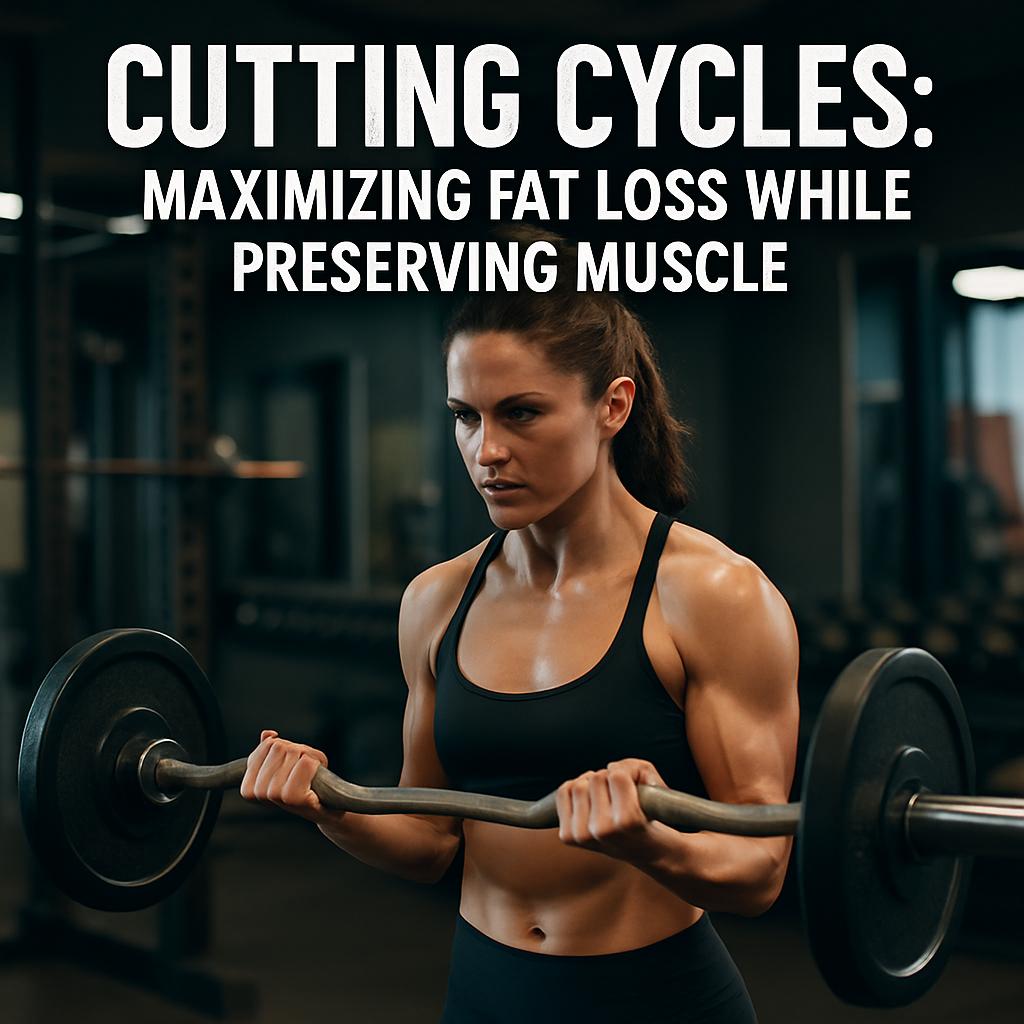
the Role of Diet And Exercise in Successful Cutting Cycles
When designing your cutting cycles, striking a balance between eating adequately and engaging in regular and intense physical activity is paramount. Diet plays a crucial role in ensuring you consume fewer calories than your body needs to maintain your current weight, leading to fat loss while preserving as much muscle as possible. A calorie deficit is essential to shed fat, but care should be taken to ensure nutrient-dense foods make up your meal plan. This includes:
- Lean proteins such as chicken or turkey to support muscle recovery.
- Plenty of fruits and vegetables to acquire essential vitamins and minerals.
- Fatty fish and seeds that are excellent sources of Omega-3 fatty acids.
- Whole grains to provide steady long-term energy for your workouts.
The counterpart, exercise, is another indispensable entity in a successful cutting cycle. High-intensity interval training (HIIT) and resistance training synergize to stimulate muscle protein synthesis, effectively helping maintain muscle mass while delving into fat reserves for energy utilization. To maintain a sustainable exercise regimen, consider varied exercises you enjoy, and remember to set realistic goals. A balance of cardiovascular exercises for burning calories and strength training to maintain muscle is a feasible approach. Here’s a weekly exercise guideline:
| DAY | CARDIOVASCULAR EXERCISE | STRENGTH TRAINING |
|---|---|---|
| Monday | 30-minutes brisk walking | Upper body workout |
| Wednesday | 20-minutes HIIT session | Lower body workout |
| friday | 30-minutes cycling | Abdominal and core workout |
| Sunday | 15-minutes swimming | Full body workout |
Remember, the goal is to cut fat and not muscle, therefore, diets and workouts should be structured with this goal in mind.
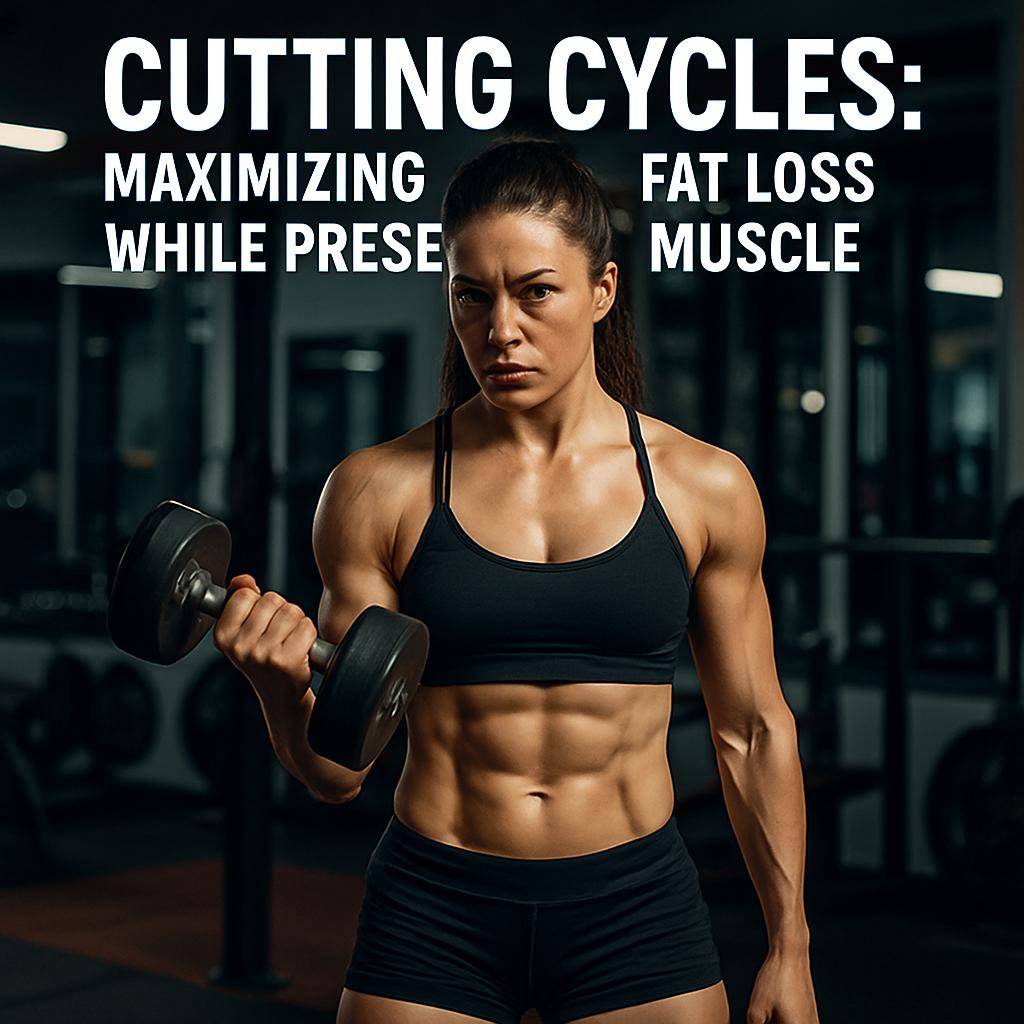
Supplementation: A Powerful Ally in Cutting Cycles
Implementing dietary supplements into your cutting cycle can help to enhance results and aid in maintaining your precious muscle mass. While the energy deficit caused by cutting calories can lead to significant fat loss, it can also lead to muscle loss if not properly managed. It is here where your supplementation regimen truly shines, functioning not only as a powerful ally in your fight against fat but also as a guardian of your hard-earned muscle tissue.
The value of Protein supplementation cannot be overstated in a cutting phase. if you’re restricting yourself calorically, you need to ensure that your muscles are still getting the nutrients they need to repair and grow. Heavily relying on lean, whole-food protein sources like chicken, turkey, and fish is an excellent start, but adding a quality, fast-digesting whey protein into your regimen can make the protein intake process a lot easier. Paired with a well-rounded diet and a rigorous exercise routine,protein supplements can help mitigate muscle loss and maximize fat loss. A mix of other potent supplements include:
- Branched chain Amino Acids (BCAAs): This supplement is ideal for preventing muscle breakdown and aiding in recovery.
- Creatine Monohydrate: An athlete favorite, creatine monohydrate, supports muscle strength, power, and size. It assists by recycling ATP (adenosine triphosphate), the body’s primary energy molecule.
- Glutamine: This non-essential amino acid supports muscle recovery and immune function, especially crucial during a cutting cycle where caloric intake is reduced.
| Supplement | Benefit |
|---|---|
| BCAAs | Prevents muscle breakdown, aids recovery |
| Creatine Monohydrate | Supports muscle strength, power, and size |
| Glutamine | Supports muscle recovery and immune function |
Remember to consult a professional before adding any new supplement to your regimen, to ensure that it aligns with your specific needs and goals. With a balanced approach to diet, exercise, and supplementation, you can successfully navigate your cutting cycle, achieving greater fat loss while protecting your precious muscle mass.
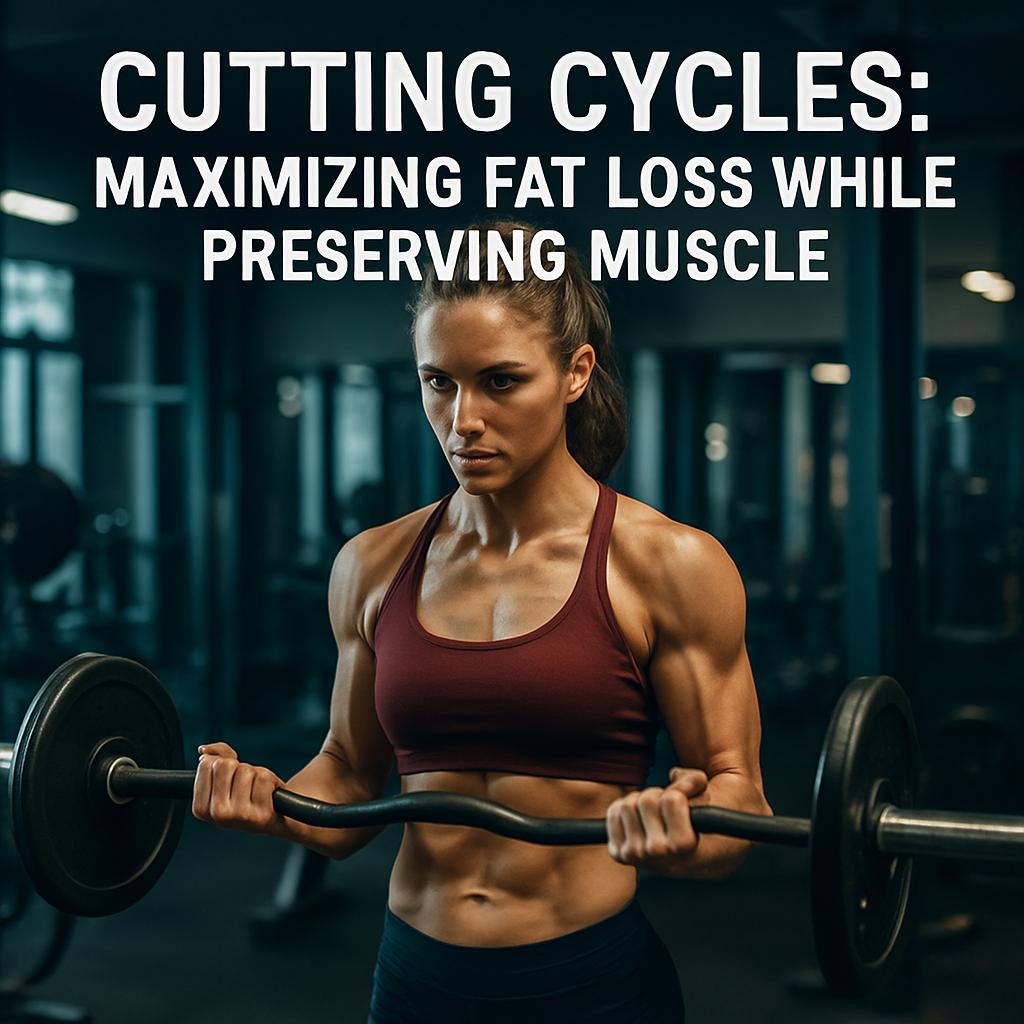
Achieving the Fine Balance between Fat Loss and Muscle Preservation
If you’re trying to maximize fat loss while maintaining muscle, keeping the right fine-tuned balance doesn’t have to be a riddle. Let us dive in to uncover some strategies that can help you achieve your fitness goal.
The underlying method you can adopt is to create a caloric deficiency in your diet, but not to an extent that your muscle is used to supplement for energy. Your body needs to process fewer calories than it burns. Hence, a slight caloric deficit should be ideally adhered for a fine balance. With a moderate caloric deficit, your body will predominantly burn fat for energy while minimizing muscle loss.
- protein Intake: High protein intake helps in muscle repair and growth and serves as a backup to provide energy in case of caloric deficiency.
- Strength Training: Strength training aids in maintaining muscle mass. Your body will be less likely to use muscle energy if you frequently use them for strength training.
- Adequate sleep: Proper rest and recovery are crucial. When the body is at rest, it’s the optimal time for muscle repair and growth.
- Hydration: Sufficient water intake impacts protein synthesis positively, thereby preserving muscle mass during a cutting cycle.
| STRATEGY | TIPS |
|---|---|
| Caloric Deficiency | Maintain a slight caloric deficit for best results |
| Protein Intake | Consume high-quality protein sources |
| Strength Training | Ensure a regular regimen of intense workouts |
| Rest and Recovery | Ensure proper sleep daily to allow recovery |
| Hydration | Drink plenty of fluids throughout the day |
By integrating these techniques into your daily regimen, you can achieve a rewarding balance between fat loss and muscle preservation. Always remember that the process justifies the result,so keep your patience,and keep moving towards your goals!
The Conclusion
As we draw the curtain on our intriguing journey through the world of cutting cycles,we should remind ourselves of the core essence of our discussion: striking a balance between significant fat loss and preservation of precious muscle mass. This process is not a sprint, but rather a marathon, a delicate dance requiring patience, knowledge, and persistence. Remember, it’s not about falling into the crippling clutch of starvation, nor is it about overindulging in the hopes of retaining muscle. It’s about carefully charting your course, listening to your body, and implementing the right techniques to ensure optimal results. The enlightenment that cutting cycles offer when done right, offers a gorgeous blend of science, diligence, and resilience. And with the foundation laid in this article, there’s nothing standing between you and that defined, chiseled physique that you’ve been endeavouring for. It’s time for you to take control of your body’s change, for the key to success is now in your hands. Good luck!
