
Uncategorized
Winter Weight Loss: How Canadians Stay Fit and Motivated Through the Cold Months

Sep
Introduction
Canadian winters bring unique challenges for anyone trying to maintain their health and fitness.
Canadian winters bring unique challenges for anyone trying to maintain their health and fitness. The combination of freezing temperatures, limited daylight, and snow-covered streets creates obstacles that require creative solutions. Despite these hurdles, thousands of Canadians successfully maintain their weight and fitness levels throughout the winter months by adapting their routines to work with the season rather than against it.
The key to winter wellness lies in understanding that cold-weather fitness requires a different approach than summer activities. Instead of fighting the season, successful Canadians embrace winter-specific strategies that account for both the physical and mental challenges of the coldest months. This means rethinking exercise routines, adjusting nutritional habits, and developing mental strategies that work specifically during the darker, colder period of the year.
By examining proven methods that work in the Canadian climate, we can discover practical approaches to staying active and healthy from December through March. These strategies focus on realistic goals, accessible activities, and sustainable habits that fit into daily life even when the thermometer drops well below freezing.
Why Winter Makes Healthy Habits Harder for Canadians
The human body responds to winter conditions in ways that naturally work against weight management and fitness goals. Reduced sunlight exposure affects hormone production, particularly decreasing serotonin levels while increasing melatonin. This hormonal shift creates genuine physiological changes that impact energy levels, mood, and appetite control throughout the winter months.
Cold weather triggers survival instincts that evolved to help humans survive harsh conditions. The body naturally craves more calories and specifically seeks out dense, warming foods. This biological response, combined with modern heating and easy access to high-calorie foods, creates a perfect storm for weight gain. Research shows that the average Canadian gains between two and five pounds during winter months, with much of this occurring between November and February.
Beyond the biological factors, practical barriers make winter fitness challenging. Icy sidewalks create safety hazards for outdoor exercise. Gym commutes become less appealing when it requires warming up the car and navigating snowy roads. Even simple activities like walking the dog require significant preparation with layers of clothing, making spontaneous movement less likely. These accumulated barriers mean that maintaining summer fitness habits through winter requires intentional planning and adaptation.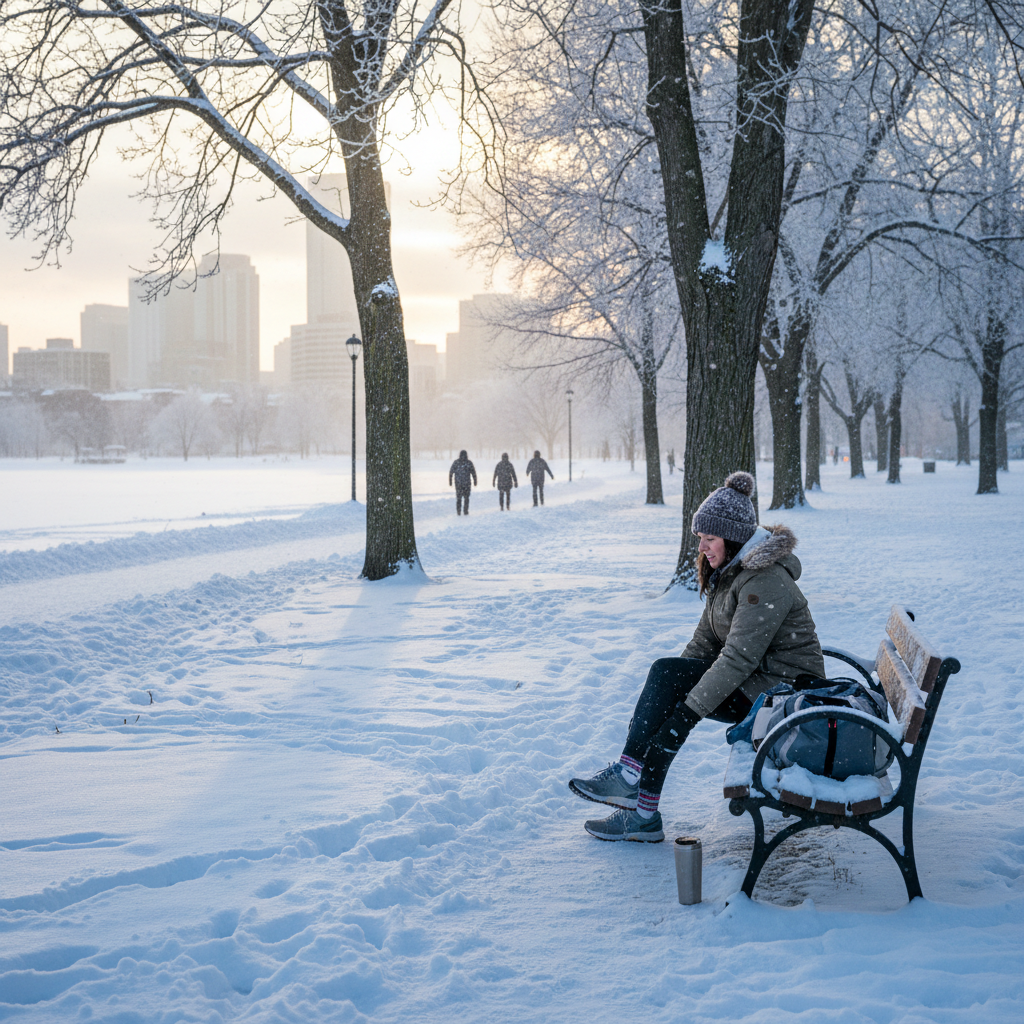
Creating Winter-Specific Fitness Goals That Actually Work
Successful winter fitness starts with setting goals that acknowledge seasonal realities. Rather than trying to maintain aggressive summer targets, smart Canadians adjust their expectations to match winter conditions. This might mean shifting from outdoor running goals to indoor strength training targets, or from weight loss to weight maintenance during the most challenging months.
Effective winter goals focus on consistency over intensity. A realistic winter fitness plan might include three indoor workouts per week, daily stretching sessions, and weekend outdoor activities when weather permits. By building flexibility into the plan, you avoid the all-or-nothing mentality that leads to giving up entirely when conditions prevent your ideal workout. The most successful approach involves creating multiple backup options for different weather scenarios.
Tracking progress during winter requires different metrics than summer fitness. Instead of focusing solely on weight loss, consider measuring success through energy levels, mood improvements, or strength gains. Many Canadians find that maintaining their current fitness level through winter represents a significant achievement. Setting process-based goals, such as completing a certain number of workouts per month, provides motivation even when scale progress slows due to seasonal factors.
Indoor Exercise Solutions for Canadian Winters
Home workouts become essential when outdoor conditions turn dangerous. A basic setup requiring minimal investment can provide comprehensive fitness options throughout winter. Essential equipment includes a yoga mat, resistance bands of varying strengths, and either dumbbells or kettlebells. This simple collection enables full-body workouts targeting strength, flexibility, and cardiovascular fitness without leaving home.
Building an effective indoor routine requires structure and variety to prevent boredom. Successful programs alternate between strength training, cardiovascular work, and flexibility sessions throughout the week. Circuit training works particularly well for home workouts, combining multiple exercises with minimal rest to maintain elevated heart rates while building strength. Popular formats include tabata-style intervals, bodyweight circuits, and resistance band workouts that can be completed in 20 to 40 minutes.
Technology enhances home workouts through apps, online videos, and virtual classes that provide guidance and motivation. Many Canadians join online fitness communities or subscribe to workout platforms during winter months. These resources offer professional instruction, variety, and social connection that helps maintain consistency. The key is selecting programs that match your fitness level and available equipment while providing enough variety to stay engaging throughout the winter season.
Making the Most of Winter Outdoor Activities
Despite cold temperatures, outdoor winter activities offer unique fitness benefits and mental health advantages. Fresh air and natural light exposure, even on cloudy days, help combat seasonal mood changes and vitamin D deficiency. Popular Canadian winter activities like snowshoeing, cross-country skiing, and ice skating provide excellent cardiovascular workouts while being gentler on joints than summer running.
Safety remains paramount for outdoor winter exercise. Proper clothing layers, including moisture-wicking base layers, insulating middle layers, and windproof outer shells, prevent hypothermia and frostbite. Footwear with adequate traction or removable ice grips prevents dangerous falls. Many Canadians invest in headlamps or reflective gear for early morning or evening activities during shorter daylight hours. Planning routes near populated areas and carrying a charged phone adds extra safety margins.
Even simple activities become effective winter workouts with the right approach. Snow shoveling burns significant calories when done with proper form and pacing. Building snowmen with children combines family time with physical activity. Walking in snow requires more energy than summer walks, increasing calorie burn without requiring faster speeds. These everyday winter activities contribute to fitness goals while accomplishing necessary tasks or creating enjoyable memories.
Nutrition Strategies for Winter Weight Management
Winter nutrition requires balancing the body’s increased calorie needs with weight management goals. Cold weather naturally increases metabolic rate as the body works to maintain temperature, but this slight increase rarely offsets the tendency toward comfort eating and reduced activity. Successful winter eating plans focus on warming, satisfying meals that provide nutrients without excessive calories.
Meal planning becomes especially important during winter months when fresh produce is less abundant and more expensive. Batch cooking soups, stews, and casseroles on weekends provides healthy options throughout busy weekdays. Root vegetables, winter squashes, and frozen vegetables offer affordable nutrition. Slow cookers and instant pots make preparing healthy meals convenient even on the darkest, coldest evenings when motivation runs low.
Strategic eating patterns help manage winter cravings and energy dips. Starting each day with a protein-rich breakfast stabilizes blood sugar and reduces afternoon cravings. Planning healthy snacks prevents impulsive choices when hunger strikes. Staying hydrated with warm beverages like herbal tea or hot water with lemon provides comfort without calories. Many Canadians find that maintaining regular meal times helps regulate appetite and energy levels throughout shorter winter days.
Mental Strategies for Maintaining Winter Motivation
Sustaining motivation through Canadian winters requires acknowledging that willpower alone isn’t enough. Successful individuals create systems and environments that support their goals regardless of daily motivation levels. This includes preparing workout clothes the night before, scheduling exercise like important appointments, and creating accountability through workout partners or fitness apps.
Environmental modifications make healthy choices easier during dark winter months. Using timer lights to brighten rooms before wake-up time helps with morning energy. Keeping exercise equipment visible serves as a visual reminder and reduces barriers to working out. Creating a dedicated workout space, even if small, signals the brain that it’s time for physical activity. These environmental cues become especially important when natural daylight cues are limited.
Mindset shifts help reframe winter from an obstacle to an opportunity. Viewing winter as a chance to try new indoor activities, master bodyweight exercises, or focus on flexibility and strength provides positive focus. Celebrating small victories, like completing workouts despite poor weather, builds momentum. Many Canadians find that connecting fitness goals to larger purposes, such as maintaining energy for family activities or managing stress, provides stronger motivation than aesthetic goals alone during challenging winter months.
